Fix Your Car With Your Camera
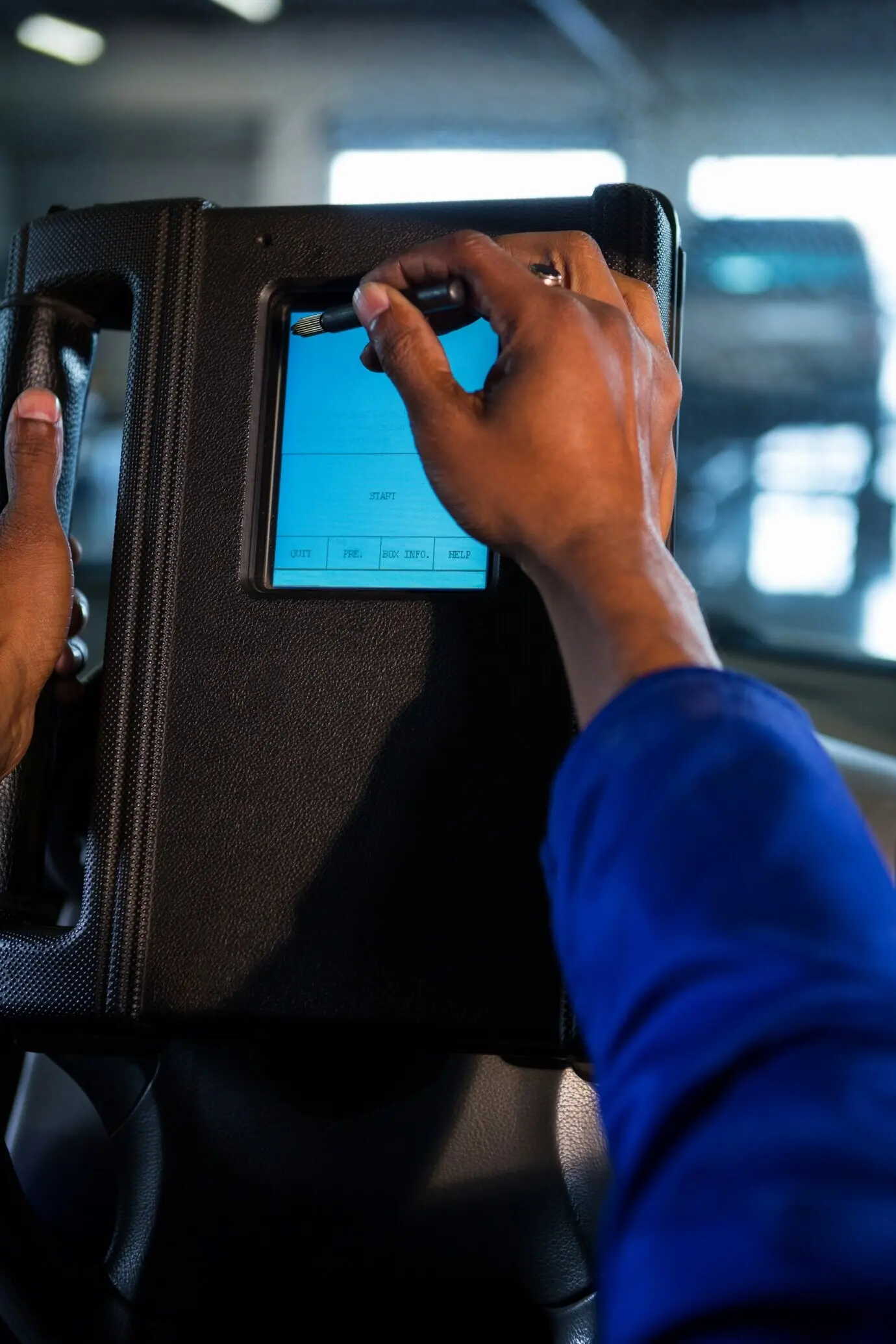

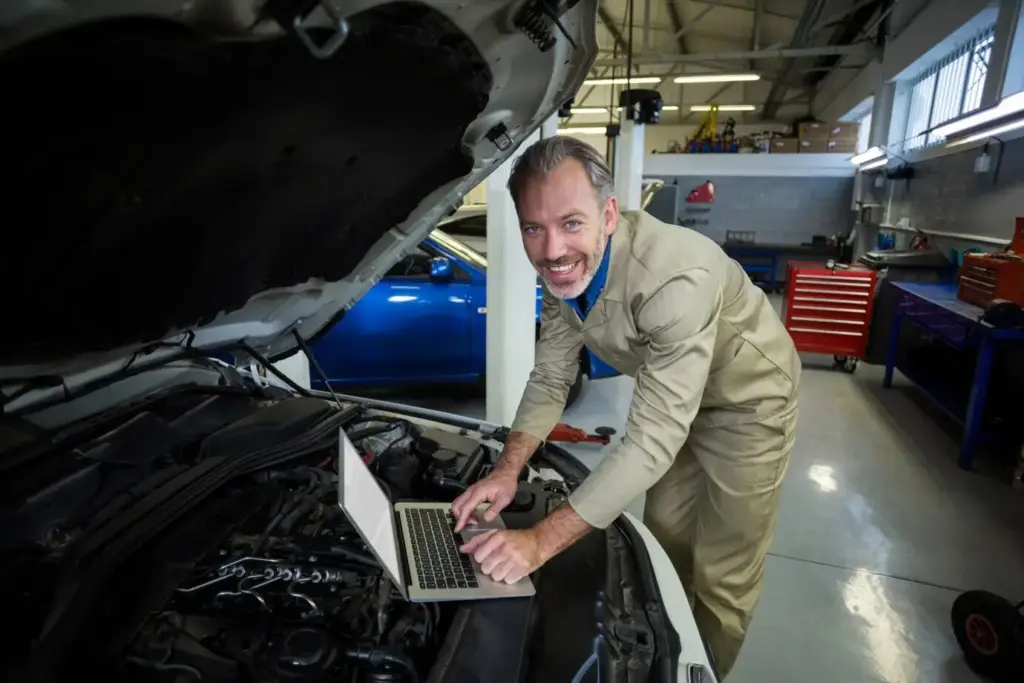
The Magic Behind the Overlay

Get Set Safely Before You Tap Fix
Dead Battery? Clean, Jump, Replace With Confidence
Streaky Wipers and Quick Blade Swaps
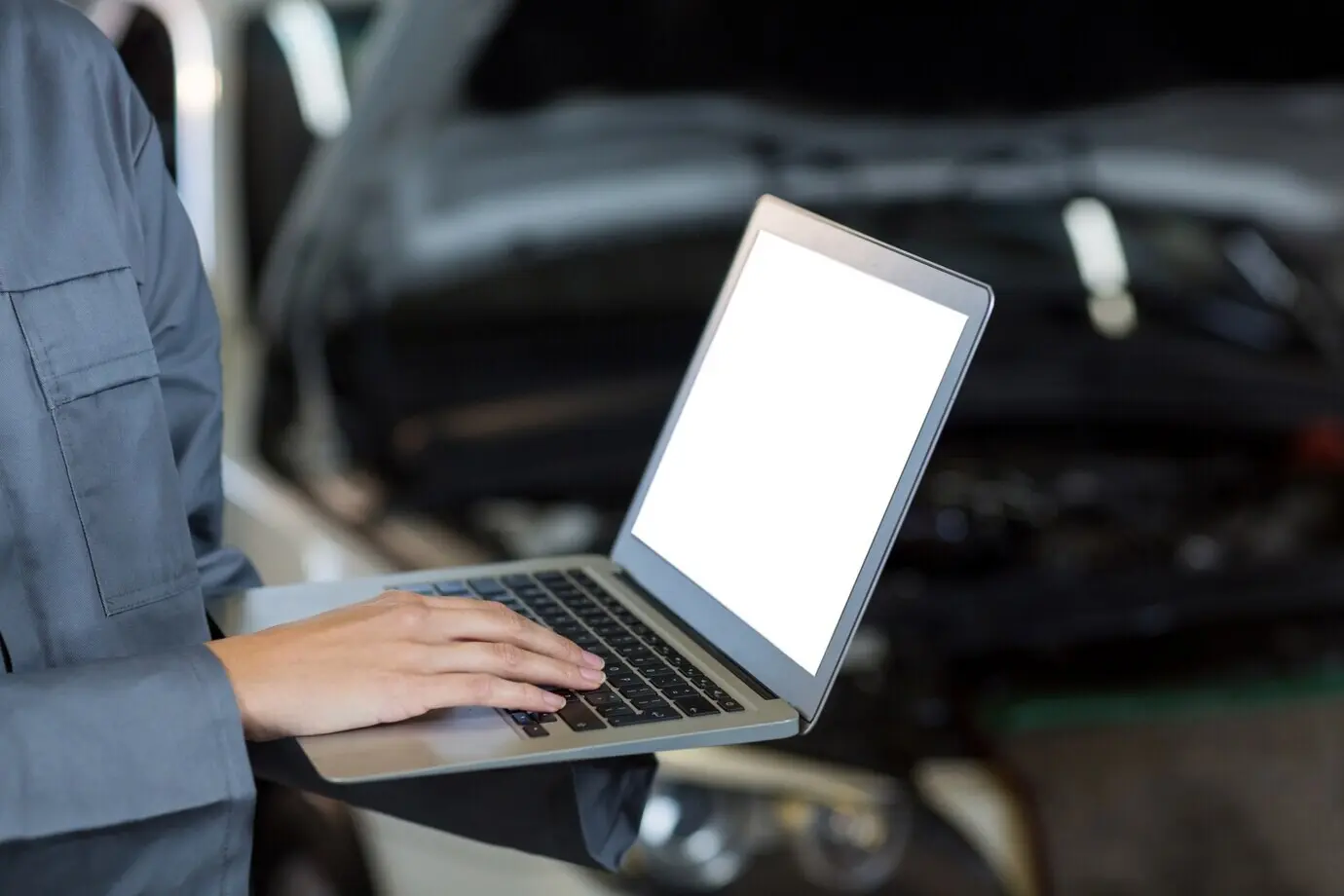
Brake Pad Refresh With Torque‑Sure Steps
Spark Plugs and Coil Packs Without Guesswork
When AR Misreads, You Still Make Progress
01
Recenter and Reanchor the Guide
If overlays drift, the app asks for a slow pan across known landmarks like caps, brackets, or labels. It then re‑locks anchors and shows a small alignment meter turning green as precision returns. You can tap to confirm a bolt or clip if needed, speeding recalibration. This quick routine feels like recapturing focus, ensuring the next step lands exactly where your tool belongs, not where a glare or shadow suggested.
02
Dealing With Rare Models or Aftermarket Mods
When your bay includes custom intakes, relocated reservoirs, or heat shields, the app switches to a hybrid mode. It overlays general geometry while asking brief questions about part locations. You’ll photograph two or three angles, and the system adapts route lines and bolt calls accordingly. Clear labels explain any uncertainty. The procedure remains safe and useful, acknowledging your unique build while still delivering actionable guidance that respects variations beyond stock diagrams.
03
Send Feedback and Improve the Next Update
A single tap shares anonymized frames of misrecognized parts, letting engineers train better detectors for your exact scenario. You can annotate with voice or arrows, and decide what stays on your device. In return, you get model updates that lock faster and drift less. This feedback loop turns real driveways into a living lab, ensuring future users benefit from your experience—and you benefit from theirs—without sacrificing privacy or control.
A College Grad Saves a Road Trip
A Parent Teaches a Teen With Safe Guidance
A Rideshare Driver Avoids Downtime
Share Your Fix and Earn Kudos
Request the Next Walkthrough You Need
Help Train Safer, Fairer Models