


Full VIN Proof from Multiple Locations
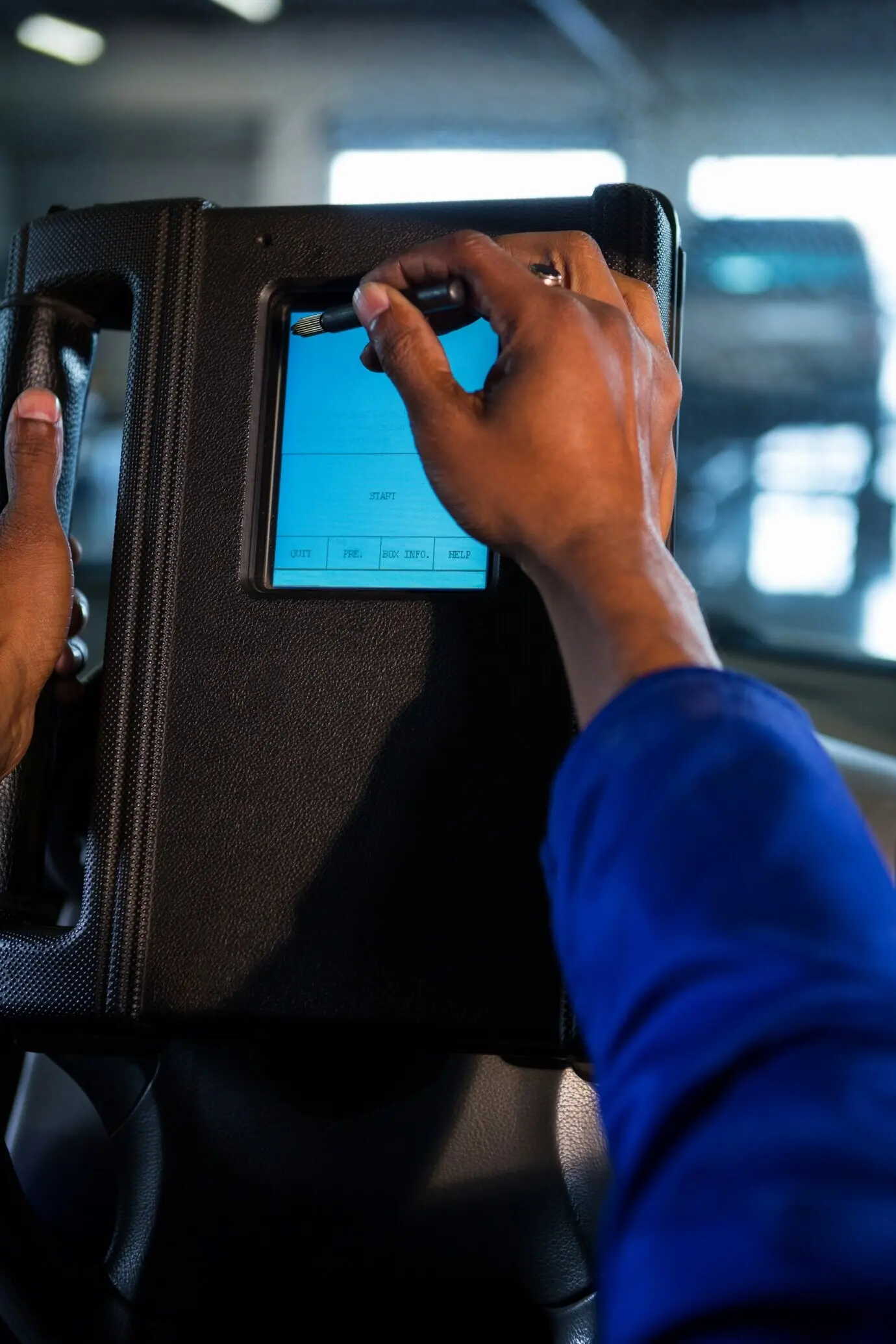
Request the full seventeen‑character VIN and photos of it from the windshield dash plate, driver’s door jamb certification label, and under‑hood locations if present. Compare fonts and alignments for tampering clues. Ask for a current registration photo showing the same VIN and name. Matching identifiers, consistent stickers, and clean rivets help confirm legitimacy. This simple step prevents title headaches, ownership disputes, and fraudulent listings that waste time and expose buyers to avoidable risk.

Service Records and Ownership Trail
Maintenance receipts, dealer invoices, and logbook entries offer a timeline of care. Ask for photos of stamped service book pages, oil change mileage stickers, and any recent major repairs. Compare dates and odometer readings for continuity. If records are thin, request the servicing shop’s contact to verify patterns. History reports can miss independent work, so firsthand documentation matters. An organized seller usually reflects an organized car, shaping your confidence and what you’re willing to pay.
Title, Lien, and Recall Status
Ask for a clear photo of the title, checking owner name, lienholder notation, and any branding like salvage or rebuilt. If a lien exists, request a payoff letter and plan for a bank‑facilitated transaction. Run the VIN through NHTSA’s recall lookup to identify open safety campaigns. Outstanding recalls can affect safety, convenience, and price leverage. Straightforward documentation and a cooperative process signal trustworthy sellers and reduce uncertainty in a remote evaluation.